


References
Bioethanol
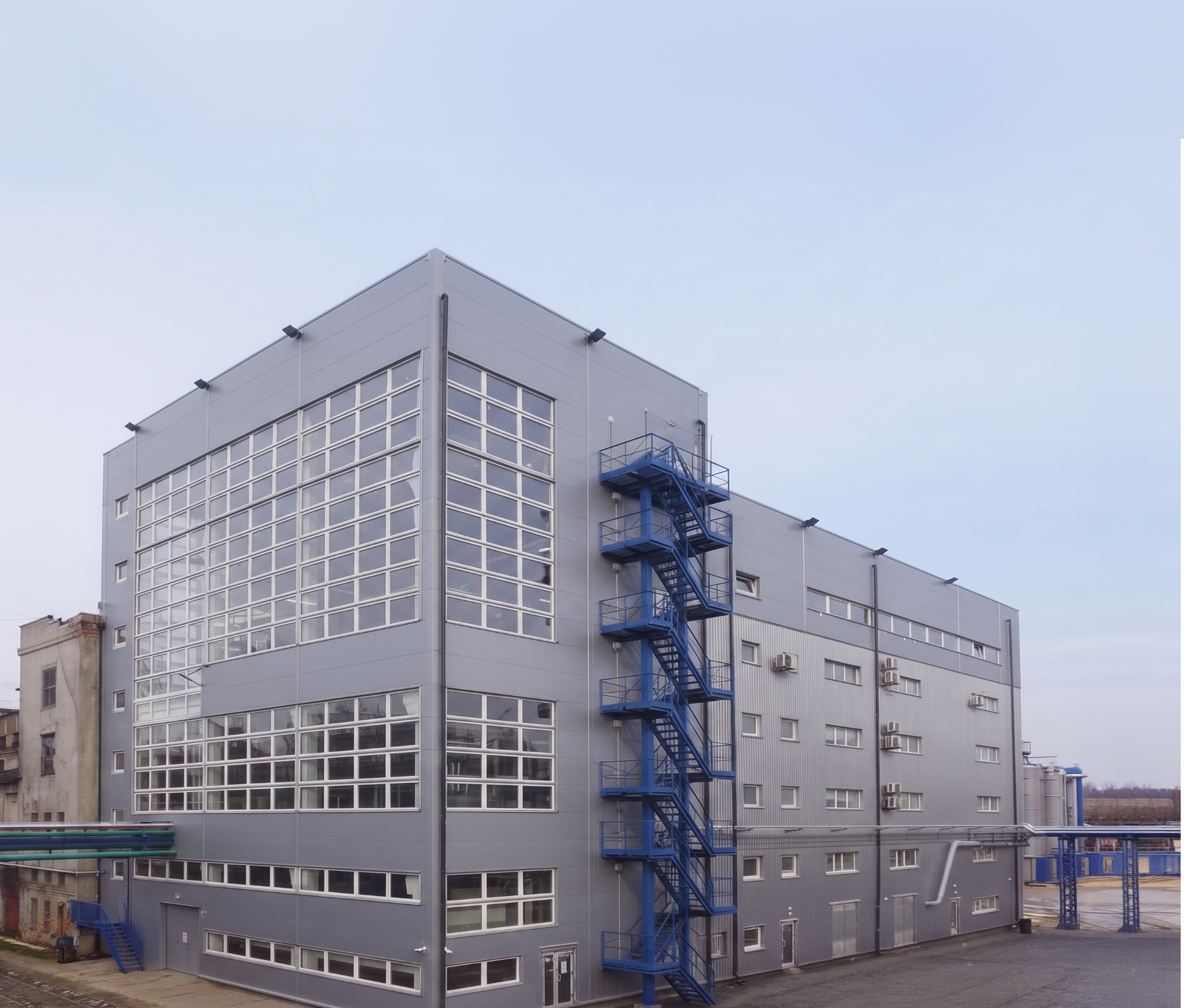
Client: Gnidavsky Sugar Factory
Gnidavskiy bioethanol plant
Country Ukraine
Power: 6,000 dal/day
Operation: since 2016
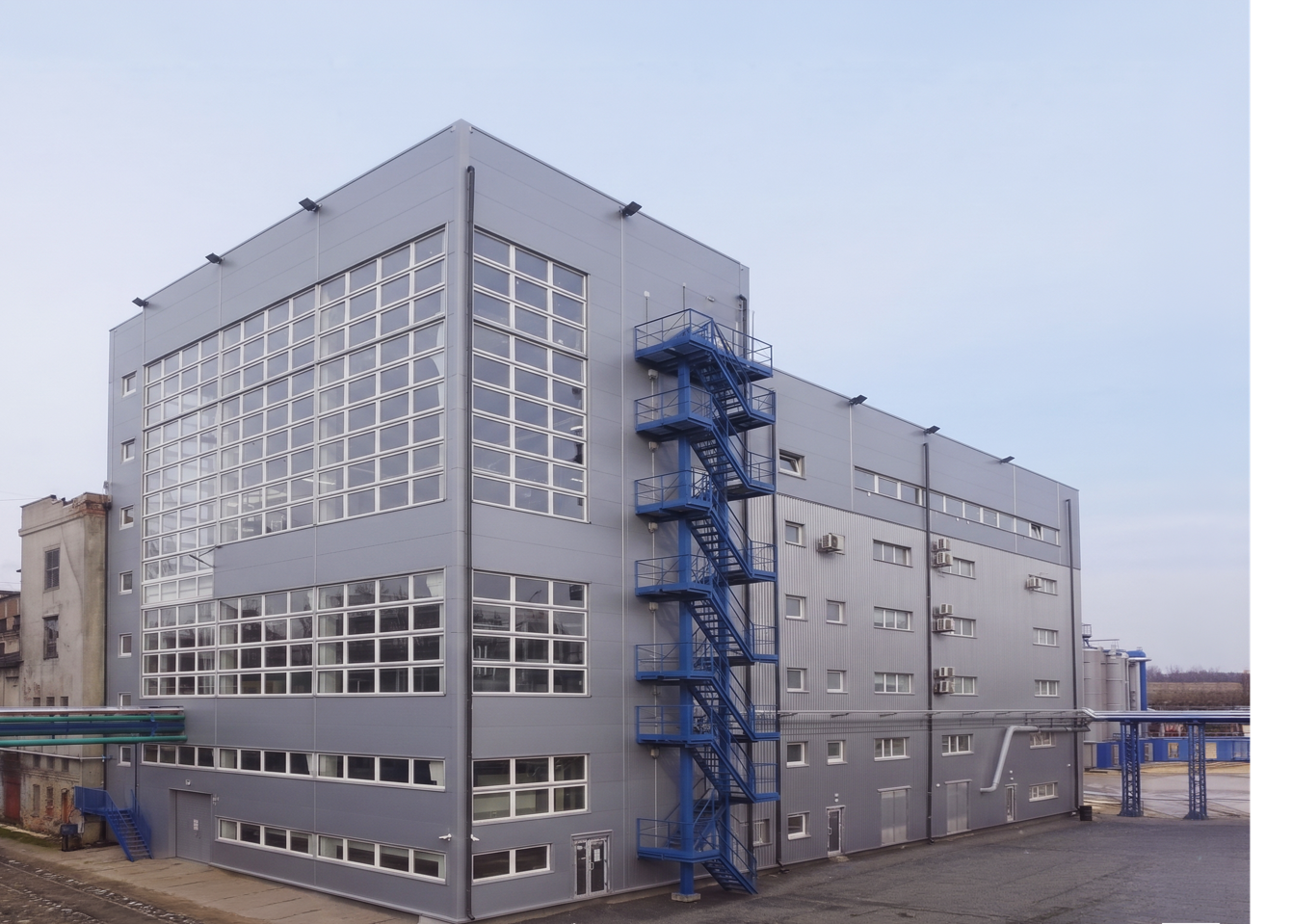
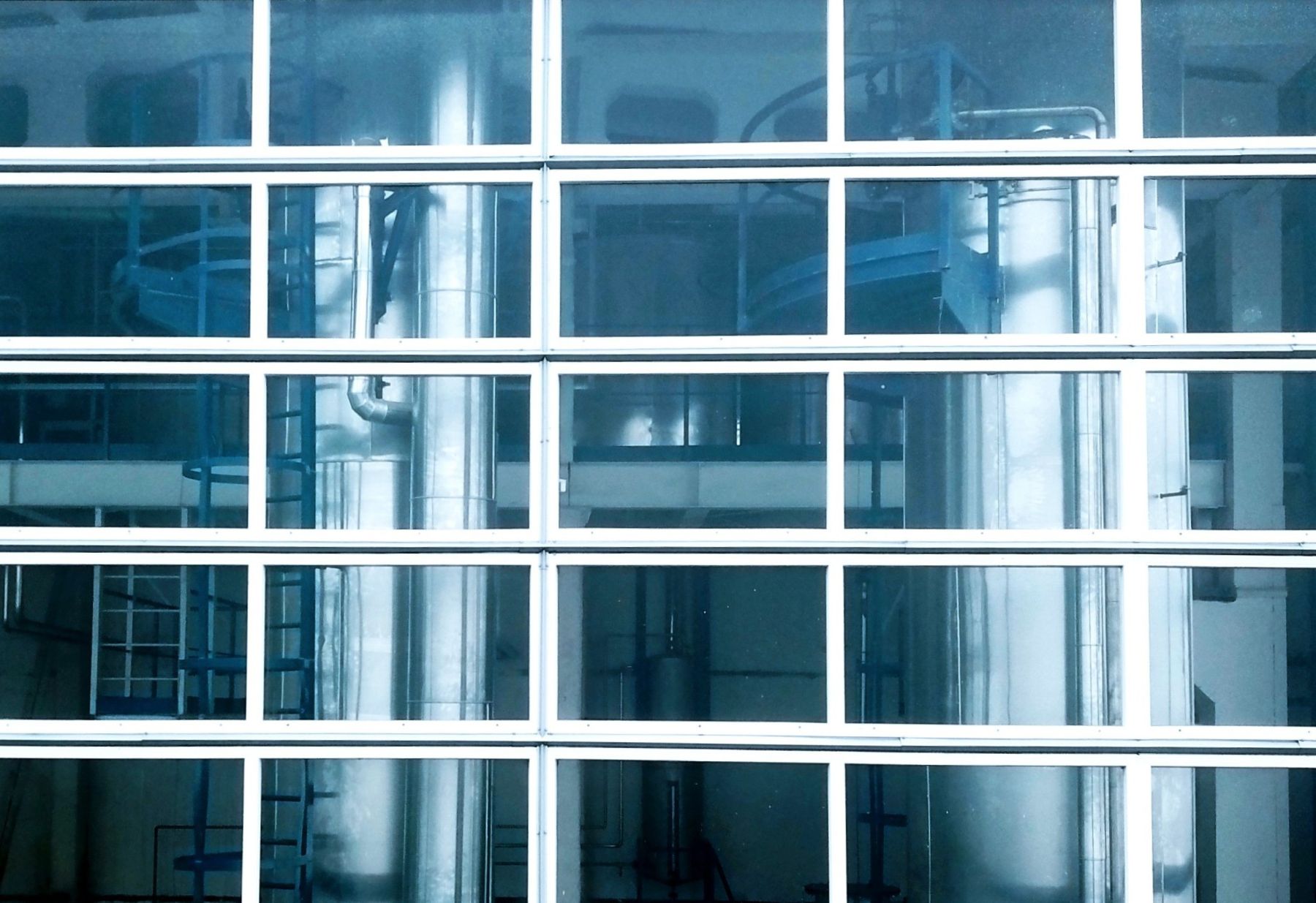


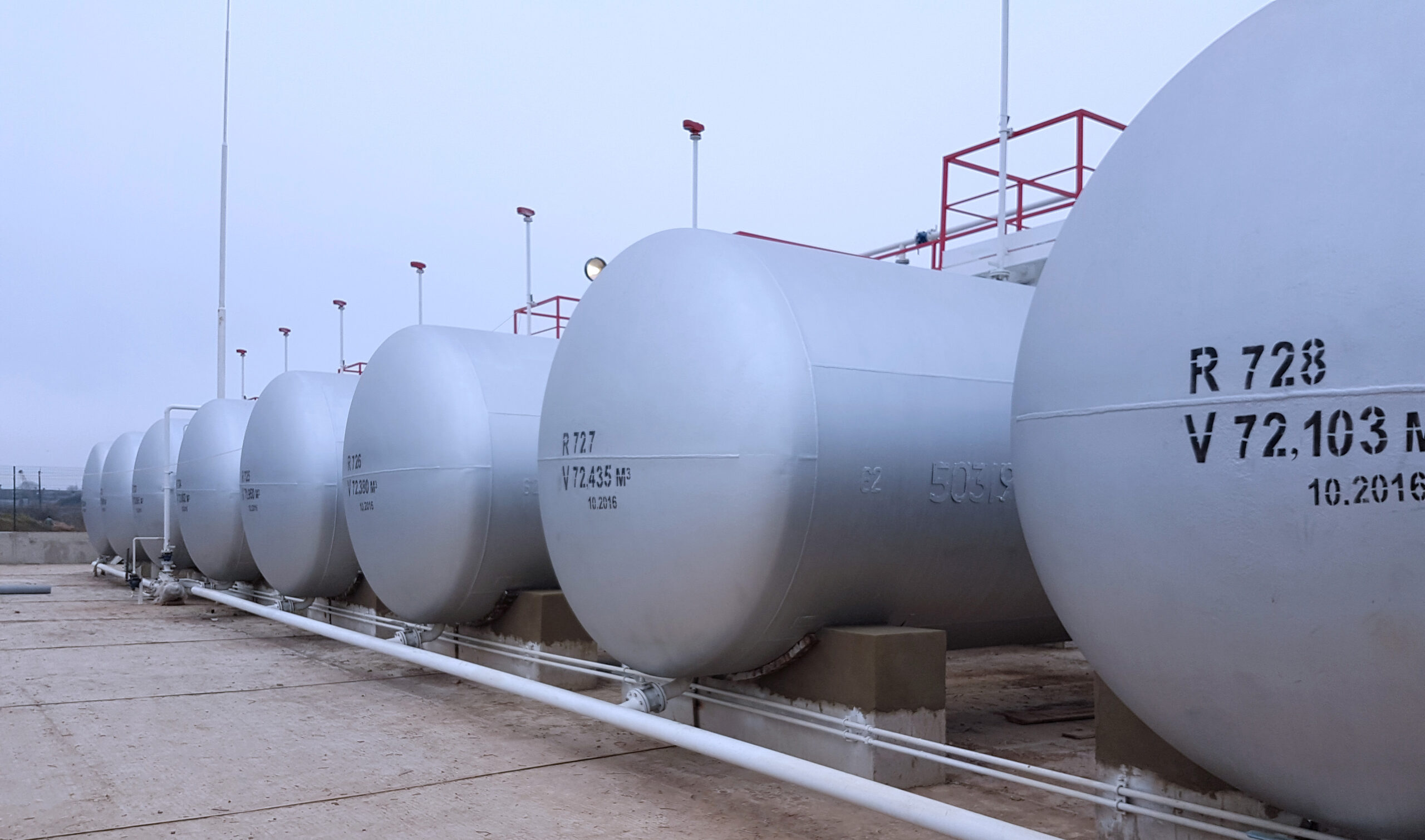
Client: Gnidavsky Sugar Factory
Country Ukraine
Power: 6,000 dal/day
Operation: since 2016
- Feedstock: molasses and diffusion phase
- Fermentation strength – 14%
- Consumption: steam – 17 kg/dal, electricity – 2.6 kW/d
- End product -Bioethanol/ purity – 99.93%
- Production capacity: 8,000 dal/day
- Loading: 24 hours/305 days per year.
Projects
-
 Design and Engineering
 -
 Construction
 -
Equipment manufacture and Installation
-
Automation and Commissioning
-
Staff support
 Design and Engineering
 Construction
 Equipment manufacture and Installation
 Automation and Commissioning
 Staff support
Processes Involved
- Receipt and storage of raw materials
- Preparation of raw materials
- Yeast cultivation
- Fermentation
- Distillation and rectification
- Dehydration and denaturation
- Decanting of stillage
- Evaporation of stillage decantate
- Storage of bioethanol

Client: Pannonia Ethanol Zrt
Pannonia Ethanol- expansion of production sites
Country Hungary
Power: 132 000 dal/day
Operation: 2015


Client: Pannonia Ethanol Zrt
Country Hungary
Power: 132 000 dal/day
Operation: 2015
As a subcontractor, Magen custom-made 70% of the equipment for the rectification, dehydration, and DDGS units.
- The construction and installation work covers 8 hectares.
- The total weight of steel structures and equipment is 2,500 metric tons.
- After the expansion, the processing area capacity is 850 metric tons per day.
Projects
-
Engineering
-
Equipment manufacture
-
Installation
 Engineering
 Equipment manufacture
Processes Involved
- Rectification
- Dehydration
- Drying of DDGS
Biogas
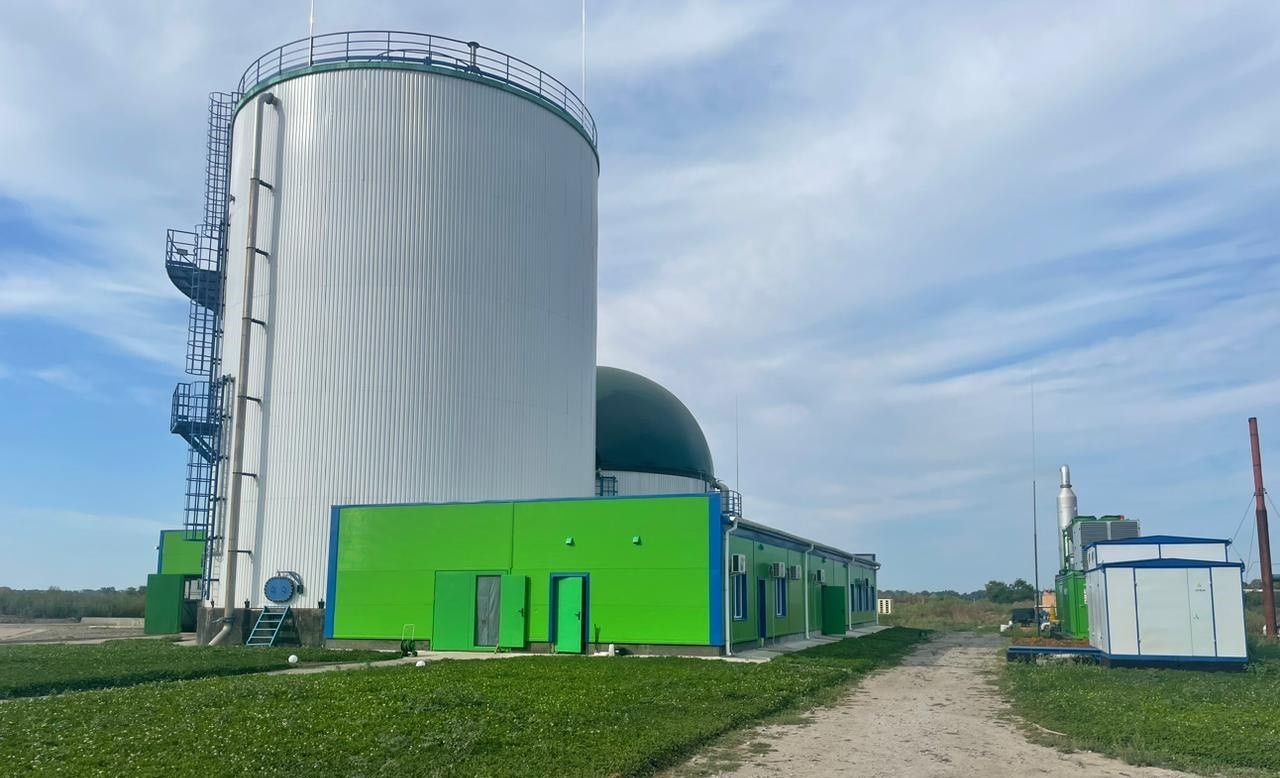
Client: Dionis Biogas Energy
Dionis biogas complex
Country Ukraine
Power: 1.5 MW
Operation: June 2021
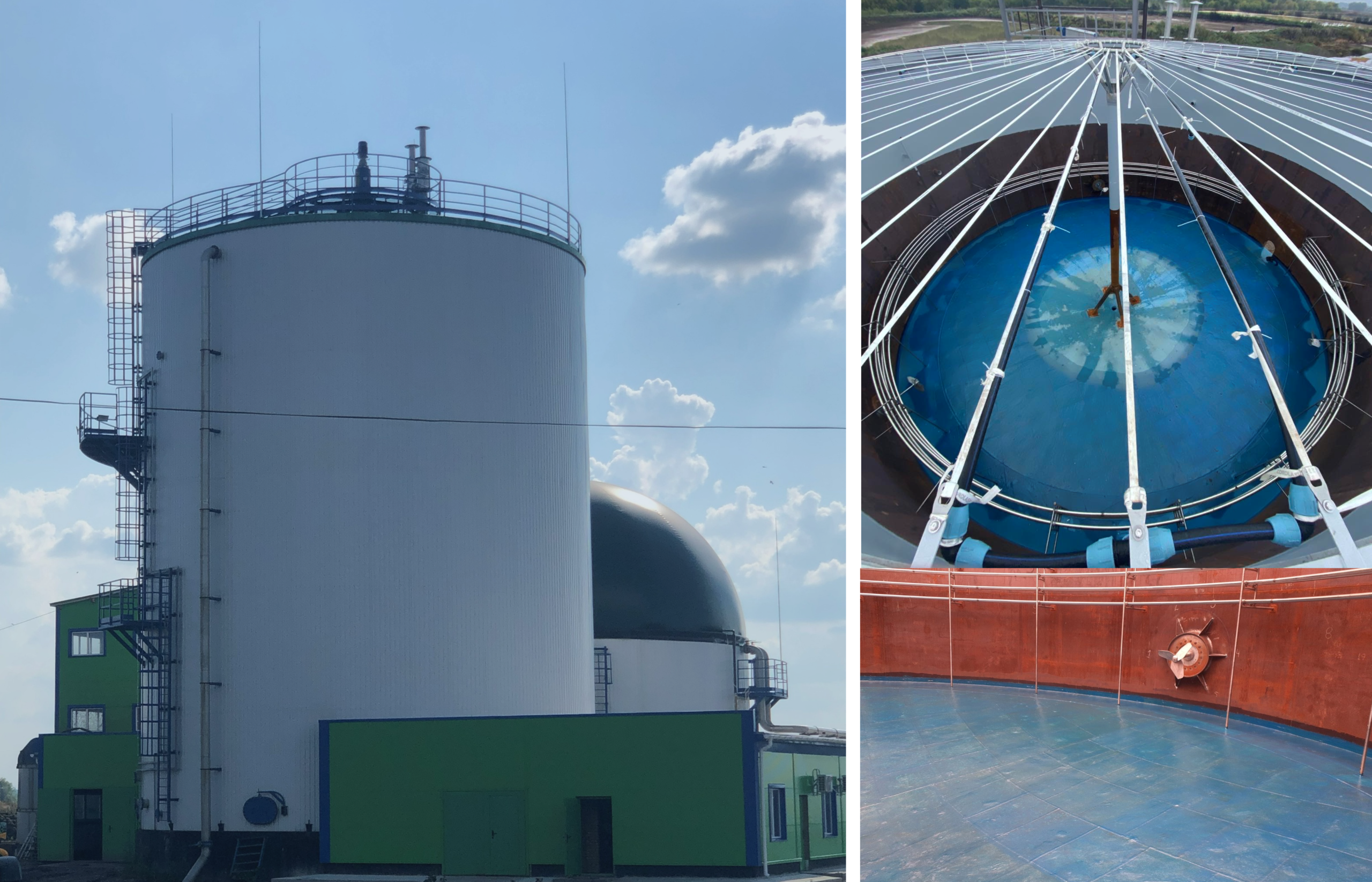
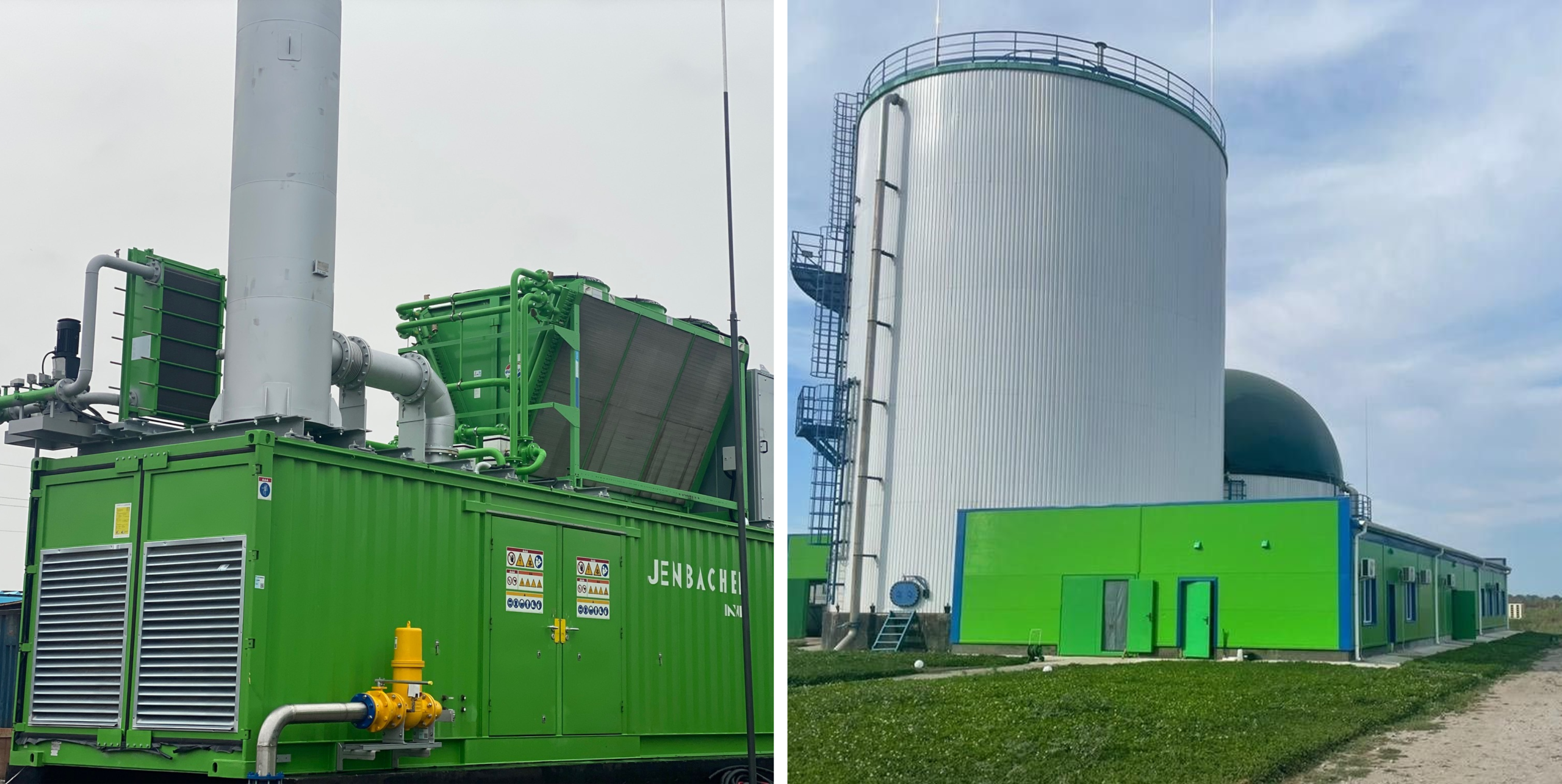
Client: Dionis Biogas Energy
Country Ukraine
Power: 1.5 MW
Operation: June 2021
Adverio biogas production technology .
- Feedstock: waste from sugar and alcohol production elevators.
- End product – biogas/electric energy/organic fertilizer
- Production capacity: 750 m³ of biogas/h, 1500 MW/h, 60 tons/ per day.
- Configuration: 1× 8,000 m³ + 1 × 4,000 m³.
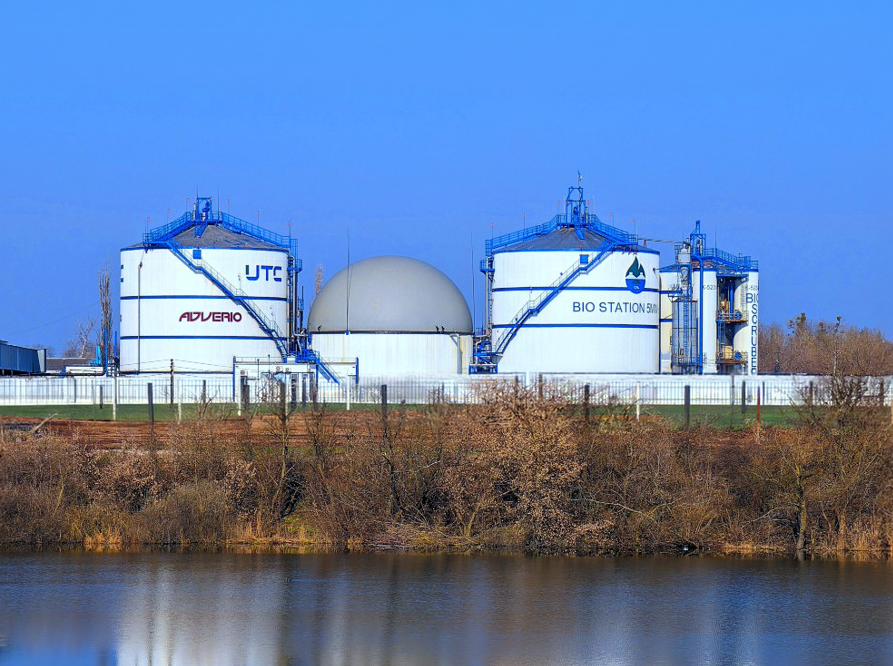
Client: Yuzefo-Mykolaiv Sugar Factory
Yuzefo-Mykolaiv Biogas Complex
Country Ukraine
Power: 10 MW/h
Operation: 2019-2022
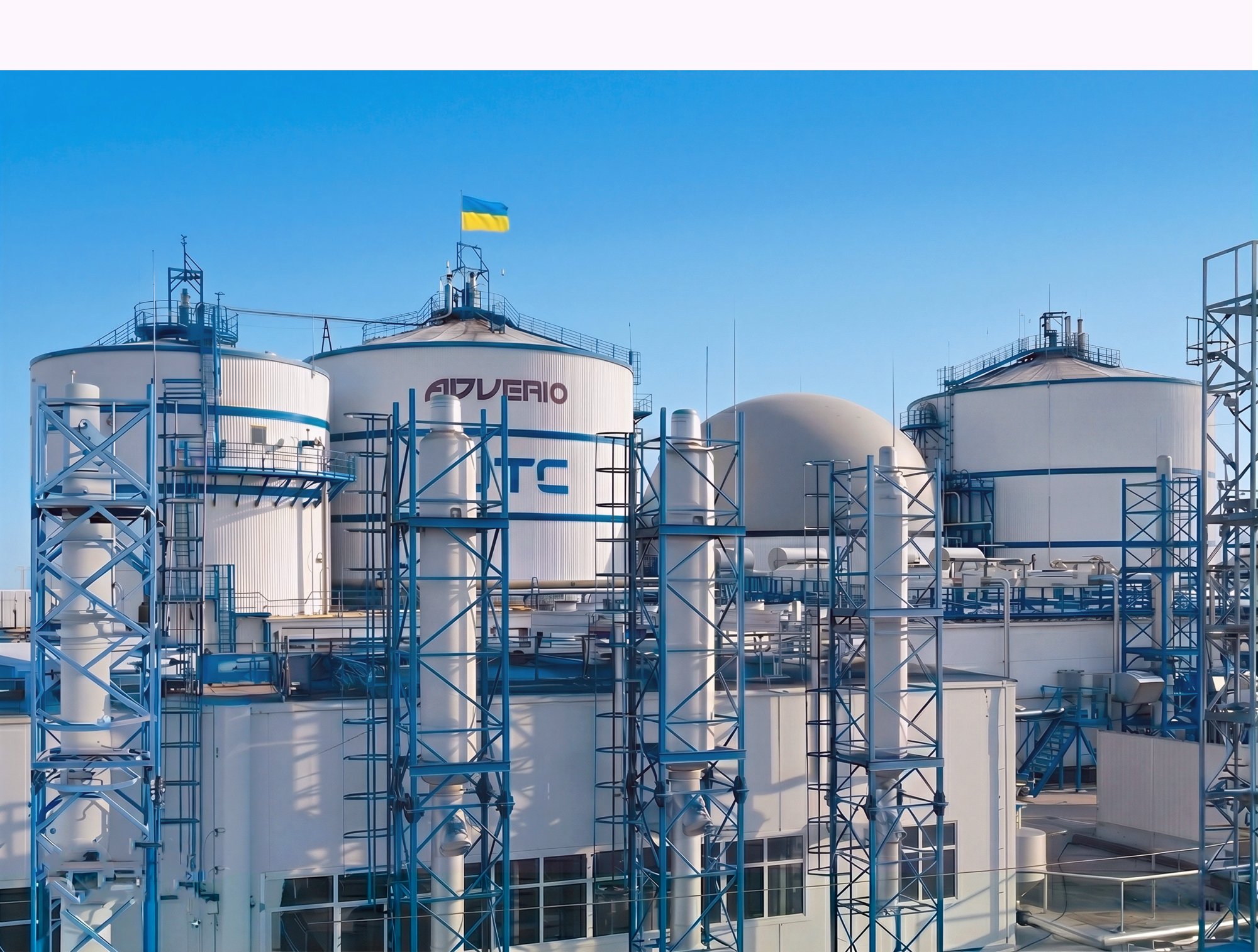
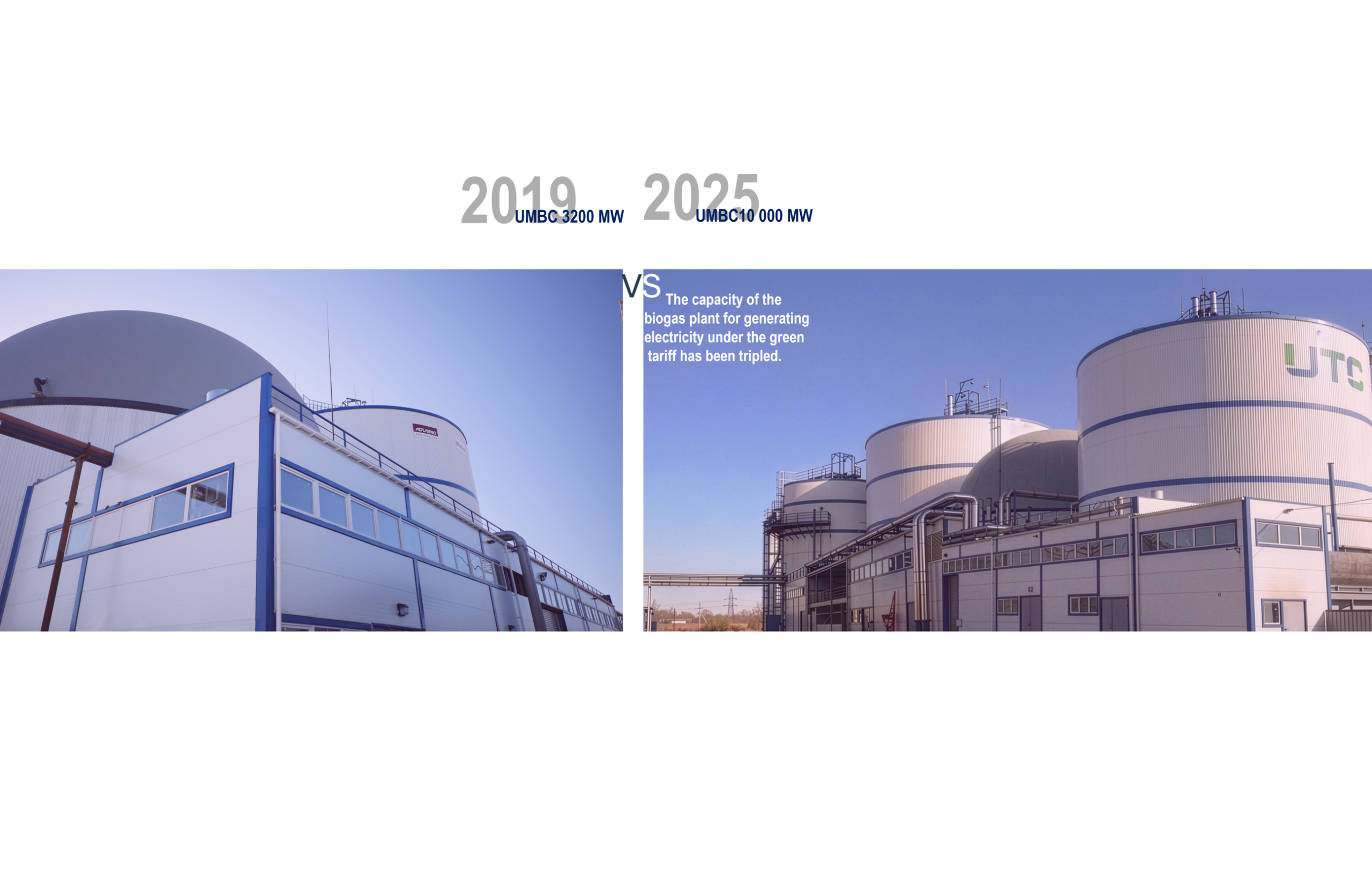
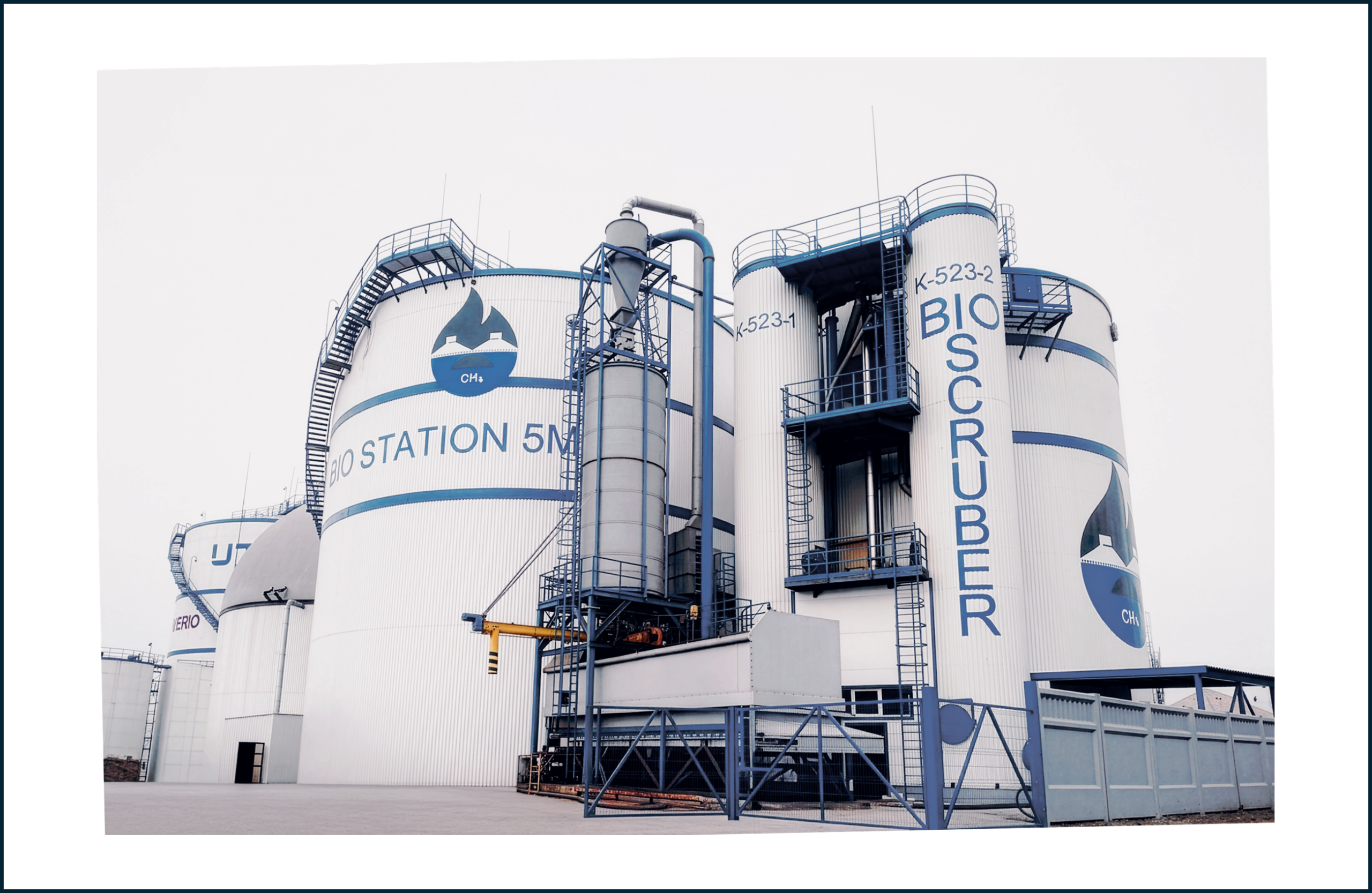
Client: Yuzefo-Mykolaiv Sugar Factory
Country Ukraine
Power: 10 MW/h
Operation: 2019-2022
Phase 1/2019: Anaerobic digestion technology Adverio
- Feedstock: sugar production waste
- End product – industrial heat , electricity, solid fertilizer.
- Production capacity: 2500 m³ of biogas/day, 3200MW/h, 200 tons per day
- Configuration: 1 × 8,000 m³ + 1 × 4,000 m³.
- Loading: 24 hours/335 days per year.
Phase 2/2022: Anaerobic digestion technology Adverio+biometane technology Aerco
- Feedstock: sugar production waste and prepared straw
- End product – industrial heat , electricity, biometane, solid fertilizer.
- Production capacity: 2500 m³ of biogas/day, 10000MW/h, 200 tons per day
- Biogas purification to biomethane using amine adsorption technology
- Configuration: 2 × 8,000 m³ + 1 × 4,000 m³+ 1× 6000+ 2 bioscrubbers +1ammonia plant
- Loading: 24 hours/335 days per year.
Projects
-
 Design and Engineering
 -
Construction
-
Equipment manufacture and Installation
-
Automation and Commissioning
-
Staff support
 Design and Engineering
Processes Involved
- Receipt of Raw Materials
- Preparation of Raw Materials
- Fermentation
- Fermentation
- Decantation and Purification of the Decantate
- Biogas Purification
- Cogeneration
- Biogas amination
- Disposal of Surplus Materials

Client: Globinsky Sugar Factory
Astarta biogas complex
Country Ukraine
Power: 6,000 m³/h
Operation: since 2014

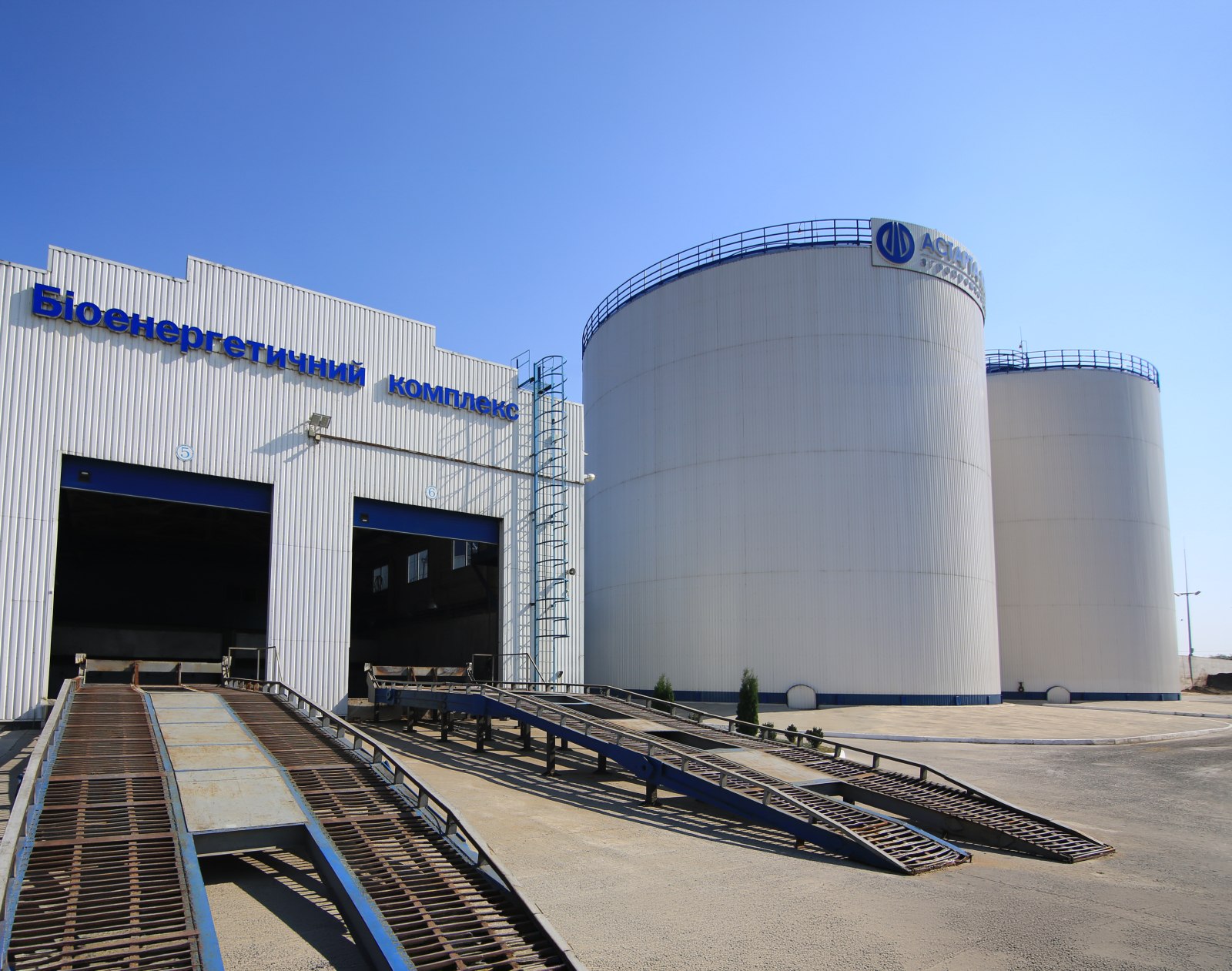
Client: Globinsky Sugar Factory
Country Ukraine
Power: 6,000 m³/h
Operation: since 2014
Anaerobic Digestion Technology Adverio.
- Feedstock: beet pulp, silage, pig farm manure.
- Processing capacity: 1,425 metric tons of feedstock/day
- Production capacity: 150,000 m³ of biogas/day
- Loading: 24 hours/150 days per year.
- End product – industrial heat
- Configuration: 4 × 8,000 m³ + 2 × 4,000 m³.
Projects
-
Design and Engineering
-
Construction
-
Equipment manufacture and Installation
-
Automation and Commissioning
-
Staff support
Processes Involved
- Receipt of raw materials
- Raw material preparation
- Fermentation
- After-fermentation
- Decanting and clarification of the decantate
- Biogas purification
- Heat generation
- Utilisation of surplus materials
Drying and granulation

Client: Gnidavsky Sugar Factory
Renovation of the beet-processing unit
Country Ukraine
Power: 7 000 metric tons per day
Operation: September 2018


Client: Gnidavsky Sugar Factory
Country Ukraine
Power: 7 000 metric tons per day
Operation: September 2018
Modernization of the workshop, including the installation of PB22S type pulp presses, Babbini (Italy).
- Feedstock: Fresh beet pulp.Dry matter content – 6%.
- End product – pressed pulp. Dry matter content – 24%.
- Processing capacity:
- Production capacity: – 1,575 tons/day.
Projects
-
Design
-
Construction Work
-
Equipment Installation
 Design
 Equipment Installation
Equipment
- Fresh Pomace Conveying System
- Presses: 2 × 200 kW + 2 × 250 kW
- Pressed Pomace Conveyor System
- Pumps for pulp press water
- Ventilation System

Client: Radehiv Sugar LLC/Pfeifer & Langen
Drying Facility at the Khorostkiv Sugar Factory
Country Ukraine
Power: 300 metric tons per day
Operation: since 2013


Client: Radehiv Sugar LLC/Pfeifer & Langen
Country Ukraine
Power: 300 metric tons per day
Operation: since 2013
- High-temperature drum drying of beet pulp using Magen technology.
- Feedstock: Pulp moisture – up to 80%. Alternative raw material – alfalfa.
- Coal consumption – 0.36–0.43 tons per ton of granules.
- End product – DDGS granulated pulp 8 mm. Dry matter content – 90%.
- Production capacity: 40 metric tons/hour . 300 metric tons of DDGS/day.
- 100% Automation.
Projects
-
 Turnkey project
 -
Design
-
Construction
-
Design
-
Equipment Manufacturing
-
Installation
-
Automation
-
Commissioning
-
Staff Training
 Turnkey project
 Design
 Equipment Manufacturing
 Automation
Processes Involved
- Receipt of Raw Materials
- Storage of Raw Materials
- Transportation
- Grinding
- Drying
- Granulation
- Storage of Finished Products
Wastewater treatment

Client: Heckel Winery
VOCs at the Gek-Gel/VINAGRO Distillery
Country Azerbaijan
Power: 500 m³/day
Operation: since 2017


Client: Heckel Winery
Country Azerbaijan
Power: 500 m³/day
Operation: since 2017
The “Gek-Gel” Plant is a modern agro-industrial enterprise with integrated production facilities for wine, spirits, cognac, champagne, and non-alcoholic beverages. In 2016, following a successful collaboration on the construction of a distillery using zero-waste technology, the company approached UTC with the task of recycling excess wine pomace and acidic condensate from the DDGS production facility. Tests revealed a high concentration of suspended solids at 2,000 mg per liter and very high COD and BOD levels. The problem was resolved using a compact combined aerobic-anaerobic treatment solution, which removed 98% of the contaminants. Specifically, the COD values are as follows: inlet—10,000 ppm, outlet—30 ppm.
Configuration of the treatment system: Flotation unit – MBBR – IC – Settling tank. The treatment system has been in operation at the facility since 2017.
Projects
-
Turnkey Project
-
Design
-
Construction
-
Design
-
Equipment Manufacturing
-
Installation
-
Automation
-
Commissioning
-
Staff Training
-
Support
 Turnkey Project
 Support
Processes Involved
- Mechanical cleaning
- Flotation
- Air Conditioning
- First-degree methanation
- Stage 2 methanation
- Aeration
- Defense
- Sludge dewatering
- Mixing/Compaction

Client: Roshen Vinnytsia Dairy Plant
UTC/LOS of the Roshen Vinnytsia Dairy Plant
Country Ukraine
Power: 1500 m³/h
Operation: since 2014


Client: Roshen Vinnytsia Dairy Plant
Country Ukraine
Power: 1500 m³/h
Operation: since 2014
As part of the construction of Roshen’s new dairy plant, UTC was entrusted with the design and construction of the wastewater treatment plant. The plant’s effluents have a high concentration of fats and oils, exhibit temporal and daily variations in discharge volume, composition, and pH, and require emergency discharges of “reject milk.” In other words, the composition varies significantly, and the COD load can exceed the daily limit by several times.
To ensure a consistent level of treatment and uninterrupted operation even during emergency discharges, UTC has implemented a six-stage treatment system. The technology is based on denitrification and aerobic treatment using a high-load MBBR reactor with immobilized biomass and a flotation unit. The design and construction period lasted 12 months. The wastewater treatment plant has been operating 24 hours a day, 365 days a year since 2014. COD removal rate: 98%.
The plant processes 600 metric tons of milk per day. The treatment facilities have a daily capacity of 1,300 cubic meters of wastewater.
The pollution levels at the outlet are below the water utility’s standards.
Projects
-
Turnkey Project
-
Design
-
Construction
-
Design
-
Equipment Manufacturing
-
Installation
-
Automation
-
Commissioning
-
Staff Training
-
Support
Processes Involved
- Mechanical cleaning
- Flotation
- Air Conditioning
- First-degree methanation
- Stage 2 methanation
- Aeration
- Defense
- Sludge dewatering
- Mixing
- Seal

Client: Bobruisk Biotechnology Plant
VOCs from the Bobruisk Biotechnology Plant
Country Belarus
Power: 4,500 m³/day
Operation: since 2014


Client: Bobruisk Biotechnology Plant
Country Belarus
Power: 4,500 m³/day
Operation: since 2014
The company is nearly 90 years old and has been in operation since 1936. It is the leading company in Belarus’s hydrolysis and microbiological industries. Specialization: food-grade and industrial-grade ethyl alcohol, industrial solvents and cleaning agents, antifreeze, feed proteins, medical antiseptics, and biological plant protection products.
In 2014, UTC was tasked with effectively resolving the issue of disposing of grain and molasses stillage effluent. This involved daily peak organic loads and high concentrations of suspended solids, with COD at 30,000 mg O₂/L and BOD. As a result, an anaerobic treatment system was implemented to produce biogas. The system is based on two high-load UASB reactors. The COD removal rate is 85%. Biogas production is 230 m³ per hour. The treatment system has been operating continuously and has been handling peak loads since 2014.
Projects
-
Turnkey Project
-
Design
-
Construction
-
Design
-
Equipment Manufacturing
-
Installation
-
Automation
-
Commissioning
-
Staff Training
-
Support
Processes Involved
- Mechanical cleaning
- Flotation
- Air Conditioning
- Stage 1 methanation
- Stage 2 methanation
- Aeration
- Defense
- Sludge dewatering
- Mixing
- Seal


Client: "Volyn Holding"
Country Ukraine
Power: 300 m³/day
Operation: since 2011
A Nestlé Group company that produces mayonnaise, ketchup, and sauces. In 2011, UTC was tasked with a comprehensive renovation of the plant’s wastewater treatment facilities without halting production or reducing capacity. Tests revealed high concentrations of fats, COD, and BOD in the wastewater. Discharges were inconsistent in terms of volume, composition, and pH, with significant variation in the COD:N:P ratio. The successful solution was the use of a continuous-flow aerobic MBBR reactor with immobilized biomass combined with a flotation unit.
The design and construction period lasted 12 months. The project was completed without any downtime or reduction in the plant’s capacity.
The treatment plant has been operating 365 days a year, 24 hours a day, since 2011. Its average daily capacity is 190 m³ per day.
The maximum is 350 m³ per day. The treated effluent meets all discharge standards set by the municipal water utility.
Projects
-
Turnkey Project
-
Design
-
Construction
-
Design
-
Equipment Manufacturing
-
Installation
-
Automation
-
Commissioning
-
Staff Training
-
Support
Processes Involved
- Mechanical cleaning
- Flotation
- Aeration
- Defense
- Sludge dewatering
- Mixing
- Seal

Client: Bashtanka Cheese Factory
VOCs at the Bashtansky Cheese Factory
Country Ukraine
Power: 1300 m³/h
Operation: since 2009


Client: Bashtanka Cheese Factory
Country Ukraine
Power: 1300 m³/h
Operation: since 2009
In 2008, the “Dairy Alliance”—which brings together nine companies involved in the production and sale of cheese—acquired the Bashtanka Cheese Factory. The company’s biggest problems stem from its wastewater discharge. The company regularly pays fines, and the Ingul River is being polluted. The plant’s wastewater has a high concentration of fats and oils, and the company lacks sufficient space for settling ponds. Opure, Adverio, and UTC have proposed an aerobic-anaerobic treatment technology that produces biogas to the owners.
Technical solution: Flotation unit – UASB reactor – Settling tank – MBBR reactor. In addition to treating the effluent to meet regulatory standards, 100% of the energy consumption is covered by heat generated on-site from biogas production.
This is UTC’s first biogas production project at LOS. A byproduct of the treatment process is cake—an organic biofertilizer. LOS is a completely waste-free facility that operates using recycled wastewater. Result: 95–97% removal of organic pollutants and 80% removal of phosphorus compounds.
The design and construction took 18 months. The wastewater treatment plant has been in operation since 2009 at a capacity of 1,300 m³ per day. In 2011, the project won third place at the Green Awards Ukraine in the “Best Project in Water Supply and Wastewater Treatment” category.
Projects
-
Turnkey Project
-
Design
-
Construction
-
Design
-
Equipment Manufacturing
-
Installation
-
Automation
-
Commissioning
-
Staff Training
-
Support
Processes Involved
- Mechanical cleaning
- Flotation
- Air Conditioning
- First-degree methanation
- Stage 2 methanation
- Aeration
- Defense
- Sludge dewatering
- Mixing
- Seal
Alcohol

Client: Khanlarsky Agricultural Complex
Gek-Gel/VINAGRO Distillery. Production of Rectified Ethyl Alcohol from Grain
Country Azerbaijan
Power: 3,000 dal/day
Operation: since 2014


Client: Khanlarsky Agricultural Complex
Country Azerbaijan
Power: 3,000 dal/day
Operation: since 2014
In 2014, as part of the expansion of the Khanlar Agricultural Complex UTC, UTC completed the design and construction of a new, state-of-the-art Gekgel distillery for the production of rectified ethyl alcohol from grain.
A unique zero-waste technology has made it possible to produce 3,000 dal of alcohol per day. At the same time, 30 metric tons of DDGS—a valuable dry feed—are produced through the drying of the distillers’ grains that accumulate during the alcohol production process. The compact DDGS plant facilities were built on a 0.05-hectare site at
, and the total weight of the steel structures and equipment was 600 metric tons.
From a byproduct of fermentation, 20 metric tons of liquid carbon dioxide (CO2) with a purity of 99.99% are produced. This meets the demand for carbon dioxide for the company’s own production of champagne and non-alcoholic beverages. Surplus CO2 is sold to other soft drink manufacturers. The Hekhelsky Plant is part of the VinAgro group of companies. The company exports 25 varieties of wine, cognac, champagne, and vodka to Ukraine, Russia, Belarus, and China.
Projects
-
Turnkey project
-
Design
-
Construction
-
Design
-
Equipment Manufacturing
-
Installation
-
Automation
-
Commissioning
-
Staff Training
-
Support
Processes Involved
- Receiving
- Storage of Raw Materials
- Preparation and Sterilization
- Yeast production
- Fermentation
- Rectification
- Dehydration
- Denaturation
- Evaporation of distiller's grains
- Storage of the finished product

Client: Gyanjiang Winery
Gyanzha Sharab Distillery. Production of food-grade ethyl alcohol
Country Azerbaijan
Power: 4,000 dal per day
Operation: since 2006


Client: Gyanjiang Winery
Country Azerbaijan
Power: 4,000 dal per day
Operation: since 2006
In 2005, the winery underwent a complete renovation and was technically upgraded. The next stage in the development of production was the establishment of the company’s own competitive production of high-quality food-grade alcohol. UTC served as the general contractor for the design and construction of a new production facility for rectified ethyl food-grade alcohol, which serves as the base for vodka and cognac.
The plant has implemented energy-saving technologies for water, steam, and electricity. All production processes are fully automated. The distillery has been operating successfully since 2006. Today, Gyanja Sharab-2 is a modern, full-cycle production facility. The company’s portfolio includes more than 40 brands.
Projects
-
Turnkey project
-
Design
-
Construction
-
Engineering
-
Equipment manufacture
-
Installation
-
Automation
-
Commissioning
-
Staff training
-
Ongoing support
Processes Involved
- Receipt of raw materials
- Storage of raw materials
- Preparation and sterilisation
- Yeast cultivation
- Fermentation
- Rectification
- Dehydration
- Denaturation
- Evaporation of stillage
- Storage of finished products
